Research.
I am largely interested in mathematical questions of a dynamical nature, e.g., in the context of algorithm design, control systems and synthetic biology. In particular, I like to understand the interplay between the underlying problem structure and achievable qualitative behaviour. We typically study these questions by means of appropriate topological invariants.

Projects.
Programmbility of Cells
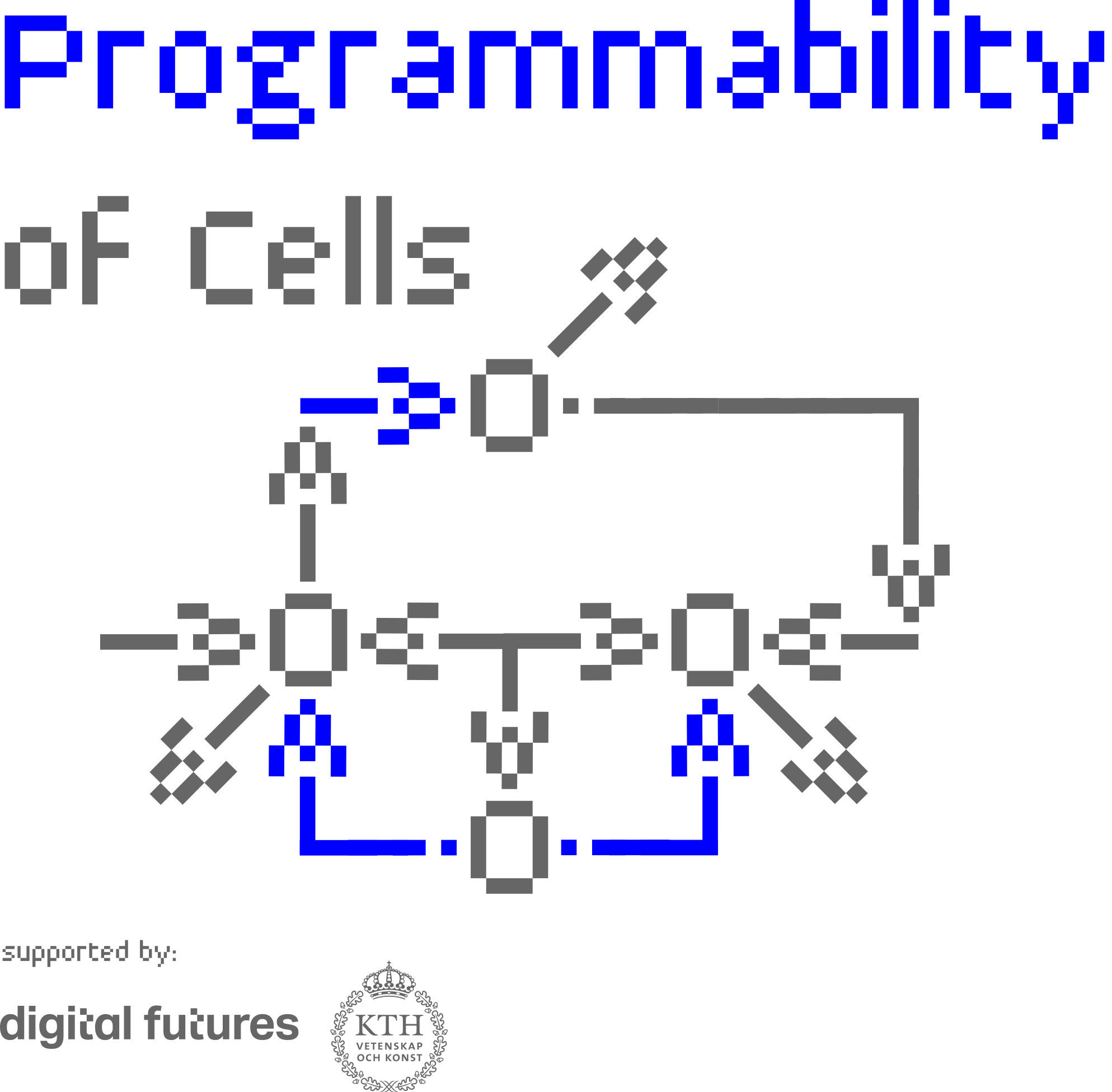 2 year personal grant from Digital Futures (2.4 MSEK)
with Prof. KH Johansson (Department of Decision and Control Systems, KTH) and Prof. M Scolamiero (Department of Mathematics, KTH)
Digital Futures page
Objective: The aim of the project is to develop control theoretic tools that can handle coarse models. In particular, coarse models as typically found in synthetic biology. Mathematically, we capture ‘coarseness’ through topological dynamical systems theory and aim to provide control theoretic counterparts to well-established index theories. Developing the theory is a first step, a second step is to integrate these tools directly into data-driven pipelines.
Background: Several pressing biological questions of today have a strong control-theoretic component, e.g., we do not only want to describe a cancerous cell, we want to prescribe its dynamics. Compared to classical fields of engineering, biology usually lacks the type of models that contemporary control theory can handle well. Instead, biological models are typically coarse and largely qualitative. In this project we accept this coarseness, take a topological viewpoint and develop control theoretic tools at precisely this level of granularity. We focus in particular on genetic regulatory networks that can or should generate oscillations. This, because of the large practical and theoretical appeal.
Selected (pre)prints.
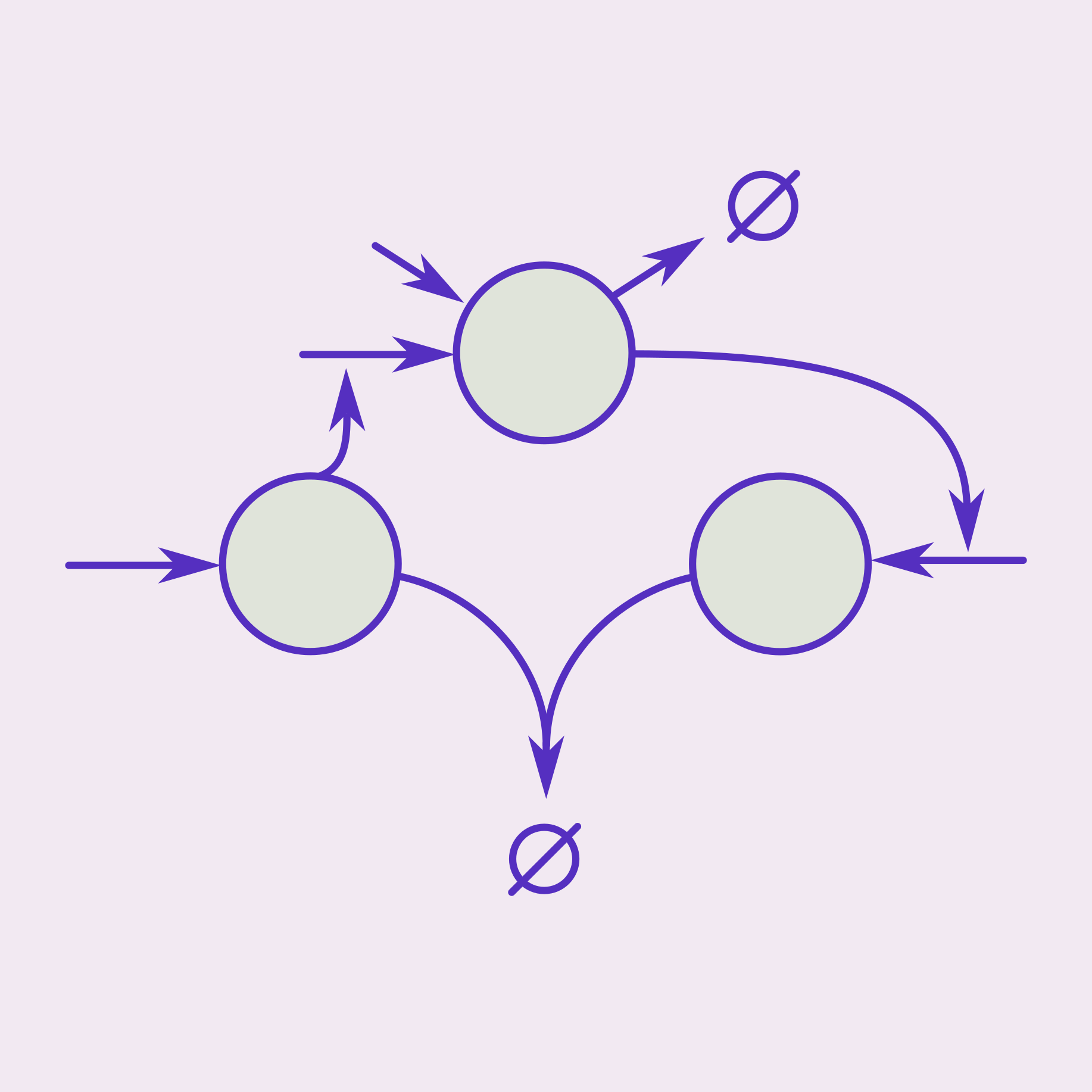
[p5] First-order plants are globally asymptotically stable under antithetic feedback
 Wouter Jongeneel
Submitted 2026.
arXiv
The abstract reads as: ``We show that first-order linear plants are globally asymptotically stable under antithetic feedback. This is shown by constructing an explicit smooth, convex Lyapunov function and by appealing to a Krasovskii-LaSalle invariance principle.''
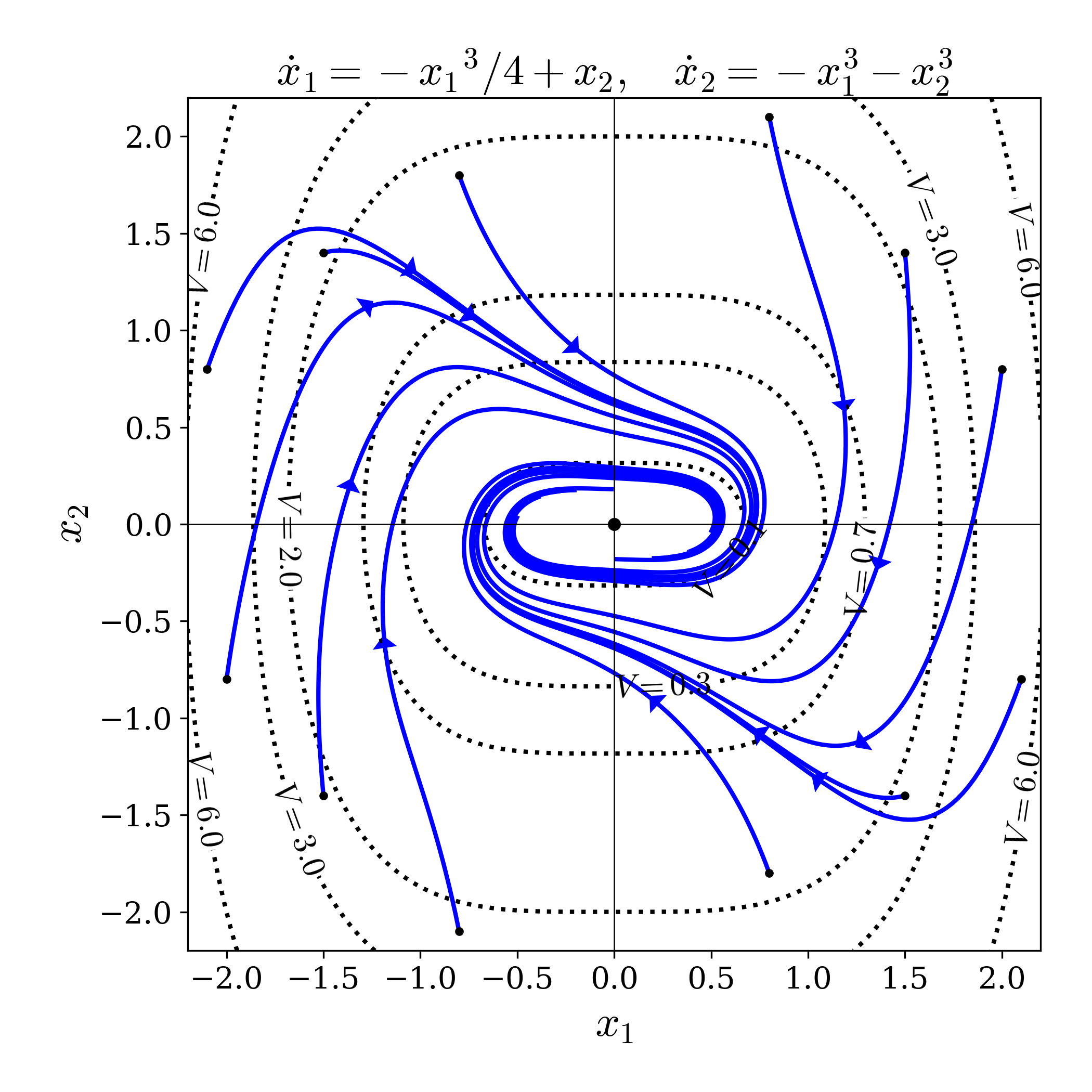
[p4] On global Lyapunov functions being Morse
 Wouter Jongeneel
Submitted 2026.
arXiv
The abstract reads as: ``Lyapunov functions have been a cornerstone of dynamical systems theory ever since the early 1900s. Moreover and akin to Morse theory, Lyapunov functions have been the key in linking topology to dynamical systems theory. In this note we continue along these lines. Suppose that some vector field on Euclidean space has a unique equilibrium point that is globally asymptotically stable (GAS). Under these conditions, it is known that there is always a smooth Lyapunov function to certify stability. One may wonder if this function can always be chosen to be Morse. We show that if the equilibrium point is hyperbolic, this is indeed true. Moreover, we show that if this would be true in general, then the generalized 4-dimensional smooth Poincaré conjecture (SPC4) must be true. Even so, we provide an example that is GAS, but does not admit a Morse Lyapunov function, closing this route of proving SPC4.''
[p3] On necessary conditions for feedback stabilizability when the control space is a fiber bundle
 Wouter Jongeneel, Martina Scolamiero and Karl H. Johansson
Submitted 2026.
PDF
The abstract reads as: ``Within control theory, a question of great interest is to understand when a stabilizing feedback exists. Building upon Krasnosel'skii and co-workers, necessary conditions for the existence of a continuous stabilizing feedback have been pioneered by Brockett and Coron, providing so-called adversarial and homological conditions, respectively.... Kvalheim recently generalized their conditions from equilibria to compact attractors and---in line with earlier work by Coron---showed that when a control system can be identified with a vector bundle, the homology condition is stronger, that is, the homology condition implies the adversary condition. Kvalheim also showed that this comparison breaks when extending the case of vector bundles to fiber bundles. In this work, we propose and characterize an appropriate adversarial condition for control systems represented by fiber bundles. The homology condition, on the other hand, is already well-defined, showcasing its general applicability. With the generalized conditions at hand, we show that by appropriately relaxing the regularity of the feedback under consideration, that is, by allowing for mild discontinuities, the homology condition implies the adversarial condition for fiber bundles. Thereby, in this work, we extend these earlier comparative results.''
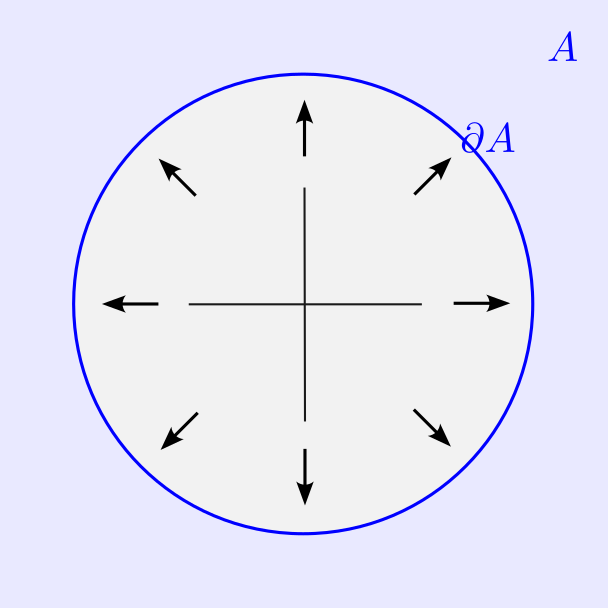
[p2] On topological properties of closed attractors
 Wouter Jongeneel
Submitted 2026.
arXiv
This work is the continuation of [C3], in particular, the abstract reads as: ``The notion of an attractor has various definitions in the theory of dynamical systems. Under compactness assumptions, several of those definitions coincide and the theory is rather complete. However, without compactness, the picture becomes blurry. ... To improve our understanding, we characterize in this work when a closed, not necessarily compact, asymptotically stable attractor on a locally compact metric space is homotopy equivalent to its domain of attraction. This enables a further structural study of the corresponding feedback stabilization problem.''
Comment added August 31, 2026: new, condensed version.
Books.
[B1] Topological Obstructions to Stability and Stabilization: History, Recent Advances and Open Problems
 Wouter Jongeneel and Emmanuel Moulay
SpringerBriefs in Control, Automation and Robotics (Open Access), pp. X, 132, 2023.
PDF available here, Springer website, supported by the SNSF
About this book (text by Springer): This open access book provides a unified overview of topological obstructions to the stability and stabilization of dynamical systems defined on manifolds and an overview that is self-contained and accessible to the control-oriented graduate student ...
. The authors review the interplay between the topology of an attractor, its domain of attraction, and the underlying manifold that is supposed to contain these sets. They present some proofs of known results in order to highlight assumptions and to develop extensions, and they provide new results showcasing the most effective methods to cope with these obstructions to stability and stabilization. Moreover, the book shows how Borsuk’s retraction theory and the index-theoretic methodology of Krasnosel’skii and Zabreiko underlie a large fraction of currently known results. This point of view reveals important open problems, and for that reason, this book is of interest to any researcher in control, dynamical systems, topology, or related fields.
Journal papers.
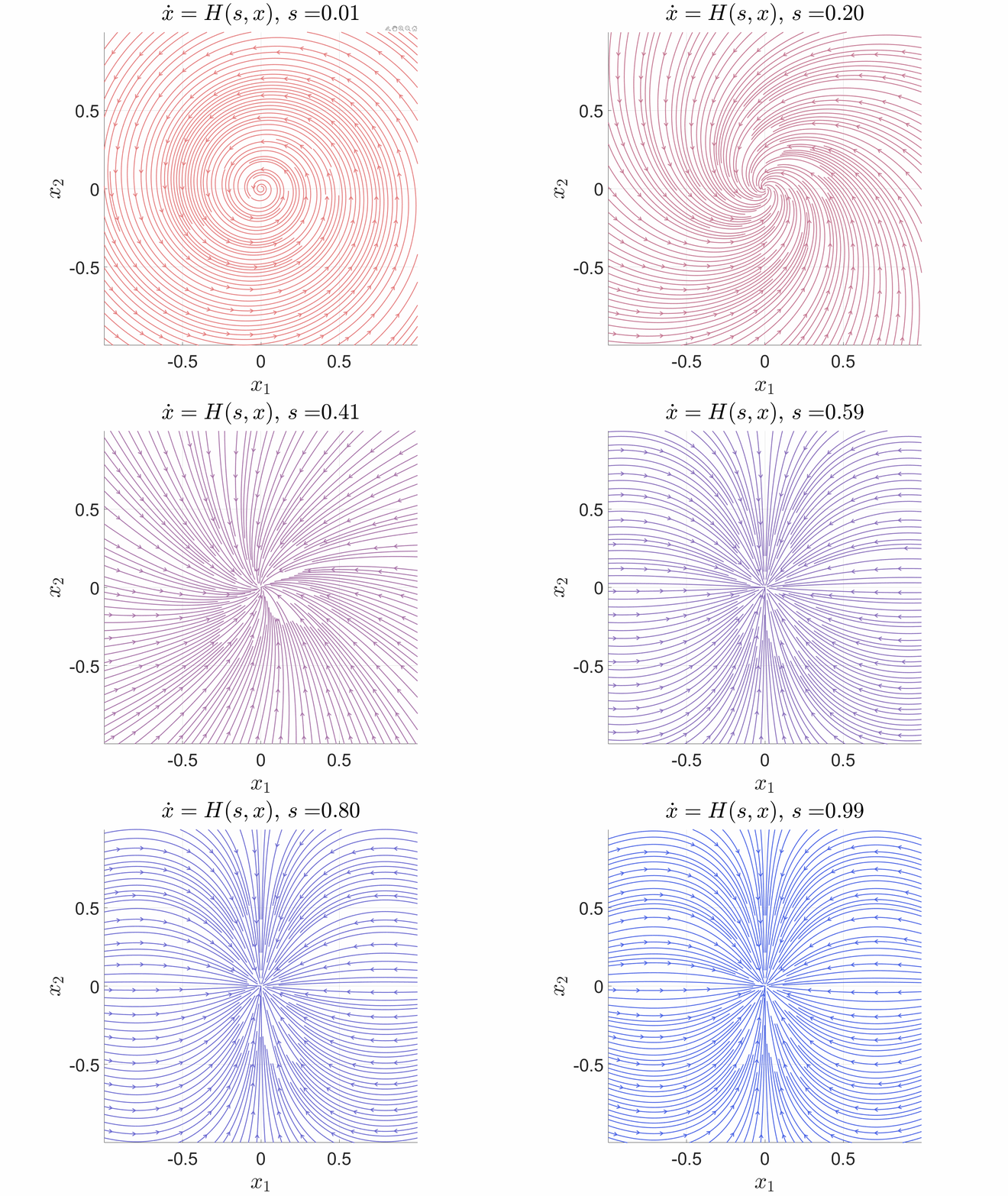
[J5] Asymptotic stability equals exponential stability—while you twist your eyes
 Wouter Jongeneel
Systems & Control Letters vol. 208, pp. 106324, 2026. (Open Access)
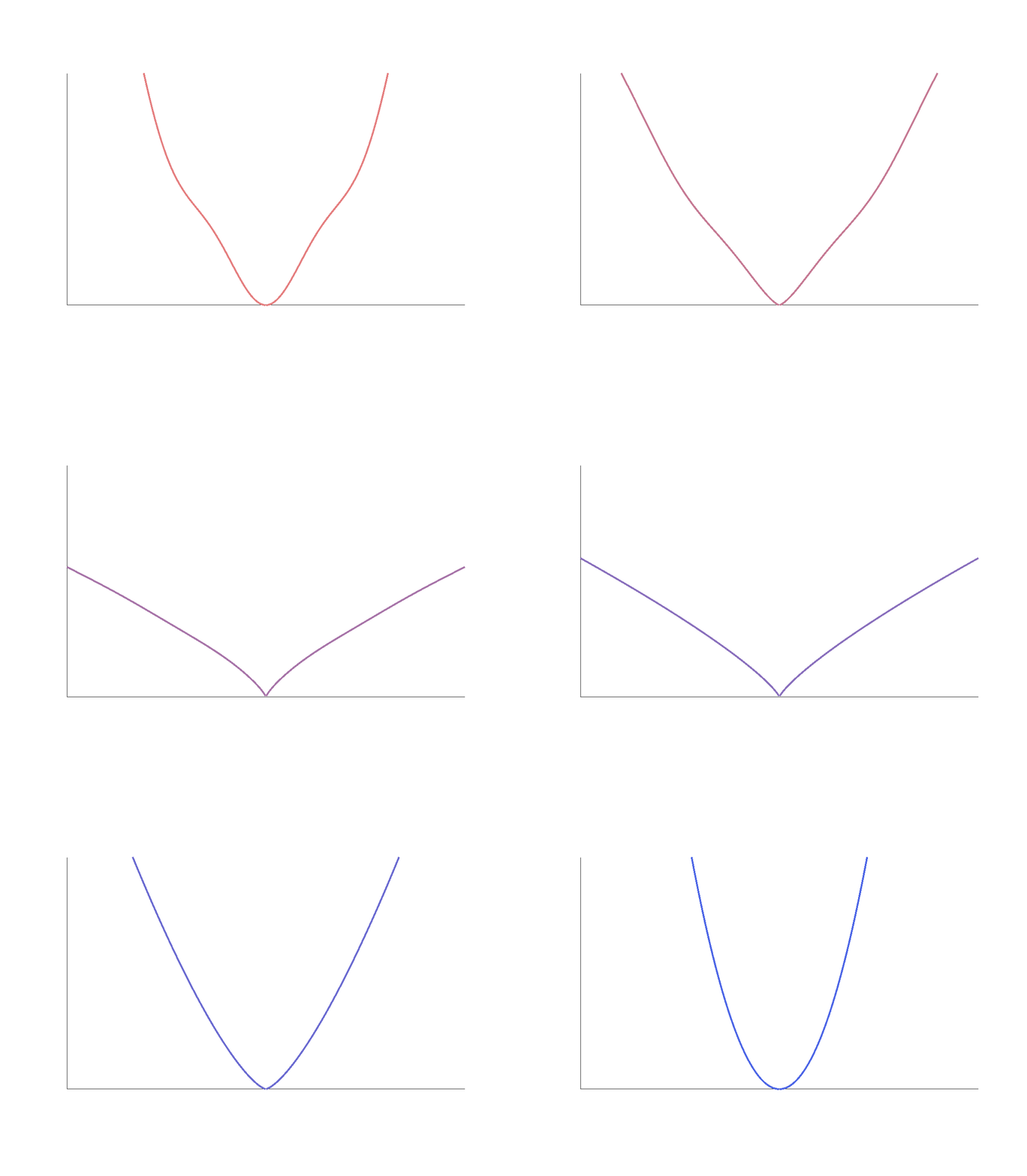
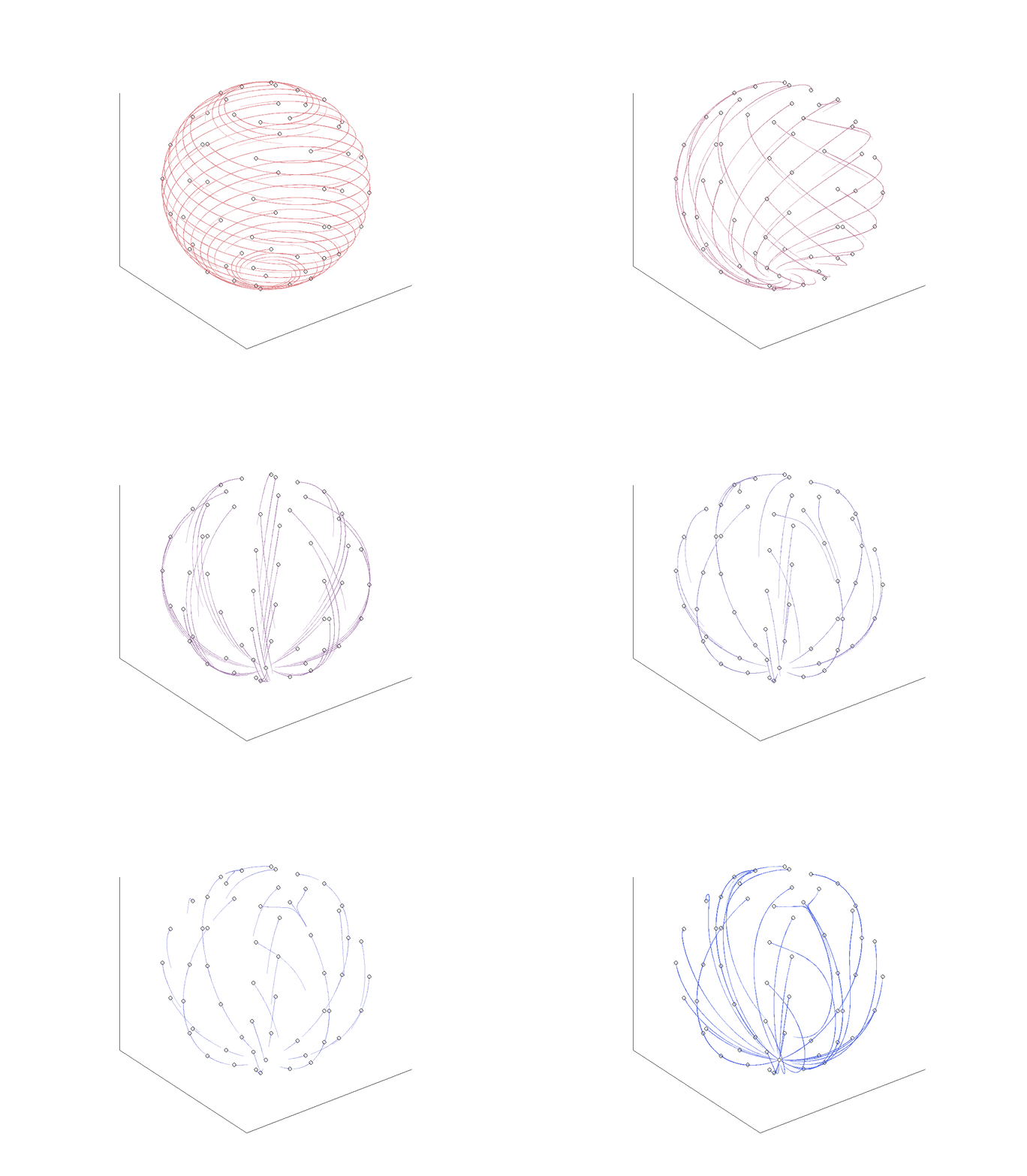
link (Elsevier), arXiv, bibtex, invex to convex GIF, South Pole attractor GIF
Charles Conley himself posed the following ``converse question'' in the late 1970s: ``To what extent does the homotopy index itself determine the equivalence class of isolated invariant sets which are related by continuation?'' [p. 83, Con78]. This question, as revitalized by Matthew Kvalheim [Kva23], inspired our work ....
Specifically, the abstract of our work reads as: ``Suppose that two vector fields on a smooth manifold render some equilibrium point globally asymptotically stable (GAS). We show that there exists a homotopy between the corresponding semiflows such that this point remains GAS along this homotopy.''
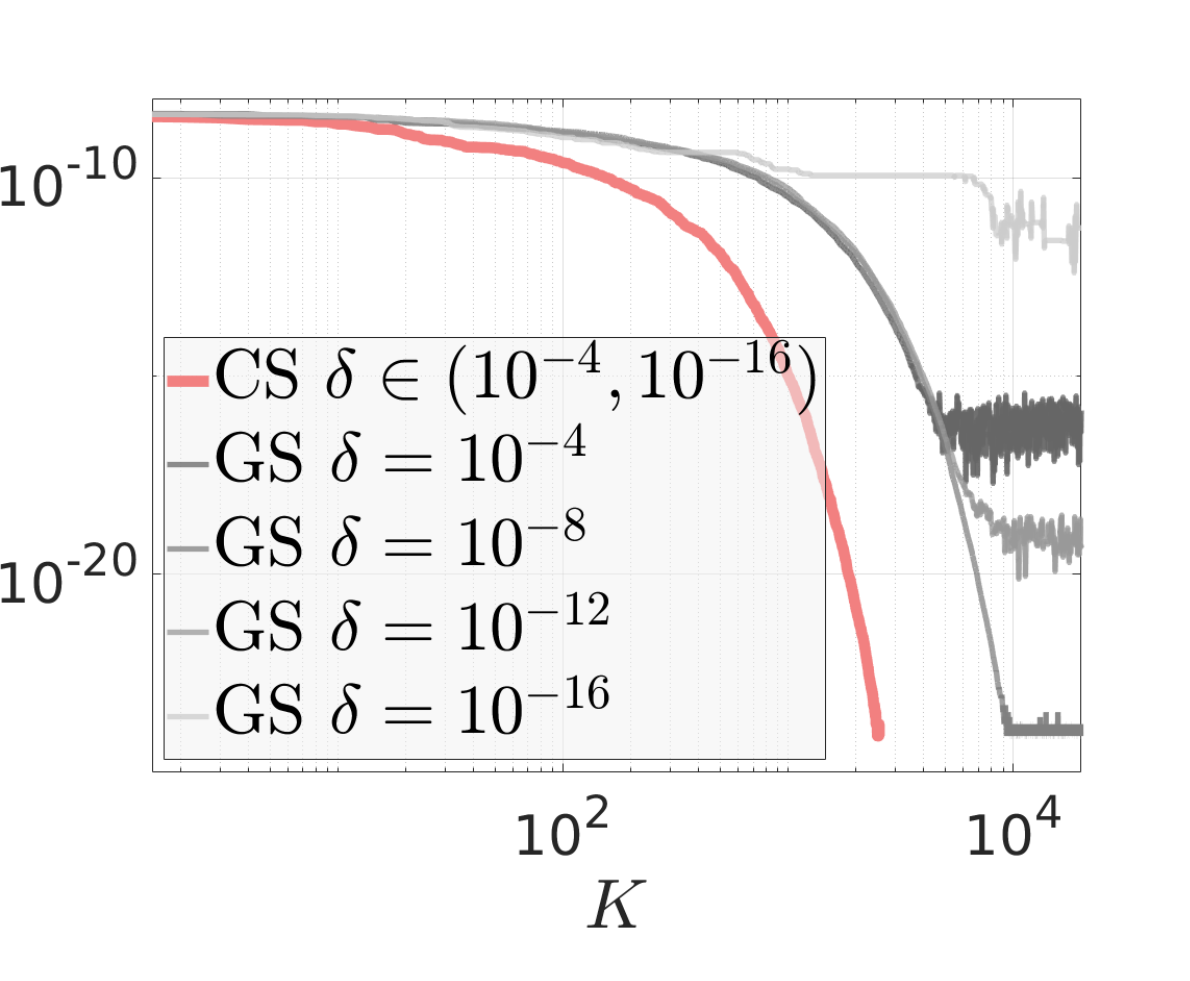
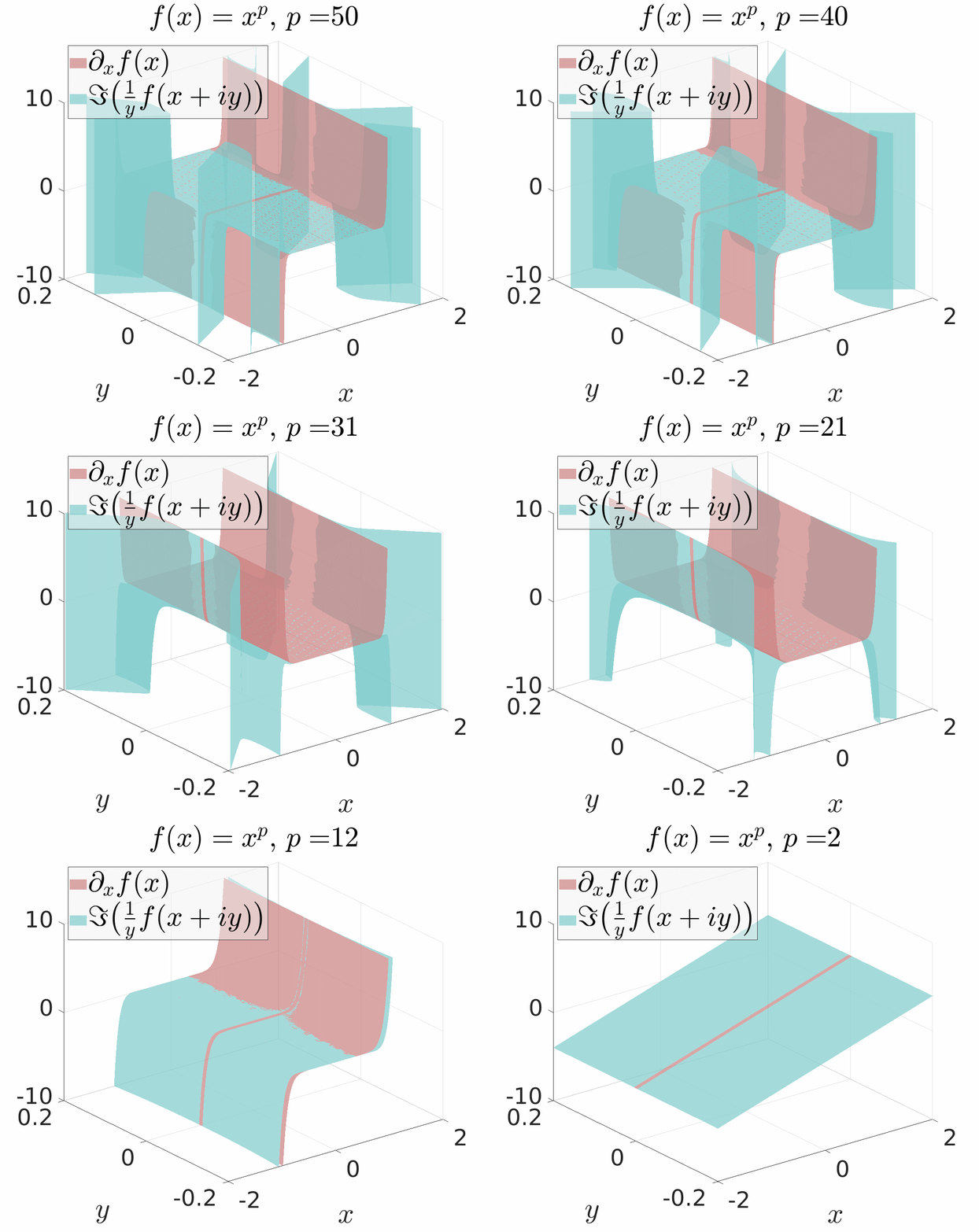
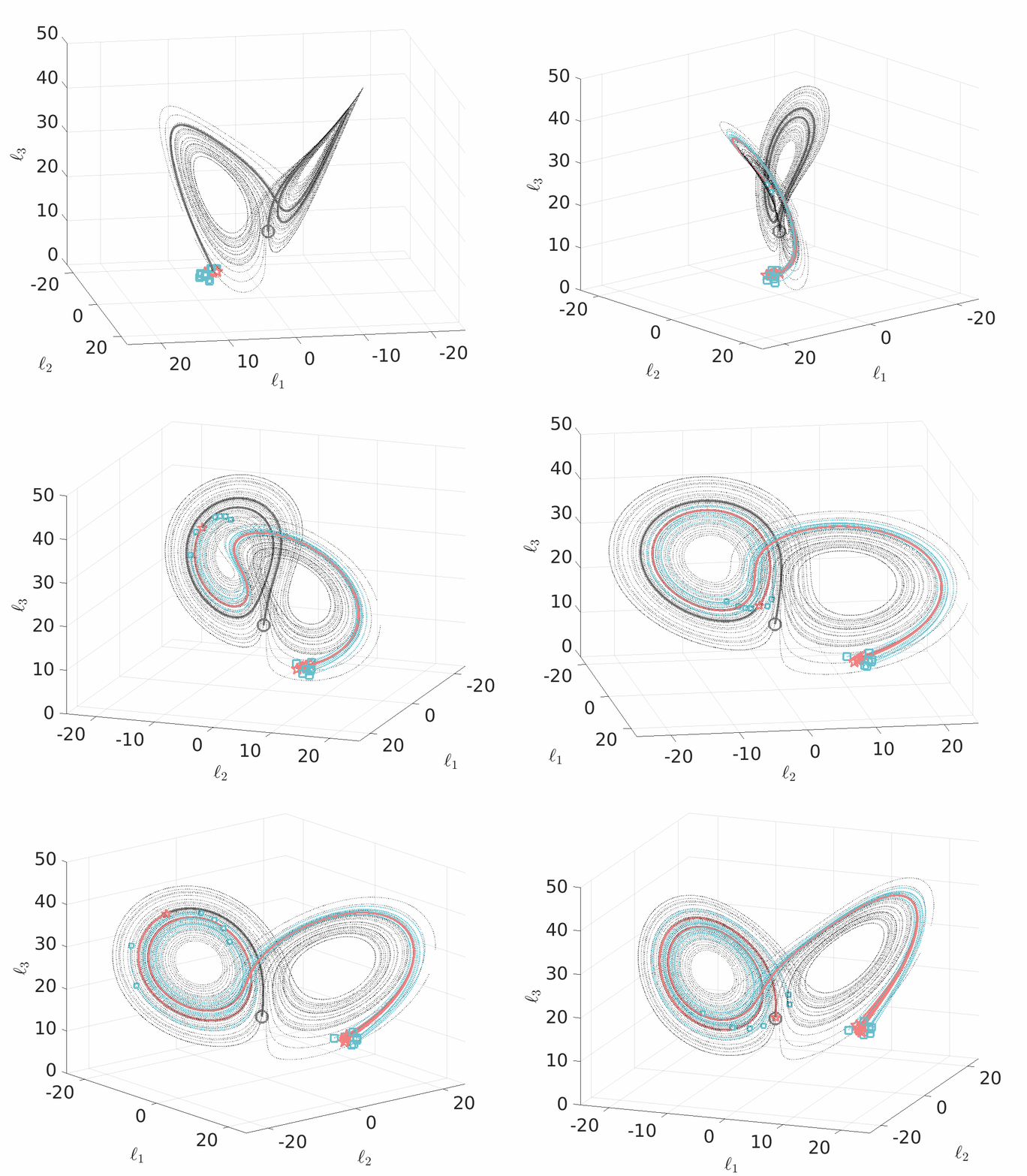
[J4] Small errors in random zeroth-order optimization are imaginary
 Wouter Jongeneel, Man-Chung Yue and Daniel Kuhn
SIAM Journal on Optimization (SIOPT), vol. 34, no. 3, pp. 2638 - 2670, 2024.
PDF, arXiv, link (SIAM), bibtex, Lorenz GIF
*Winner of the 2023 INFORMS Optimization Society Student Paper Prize (slides).
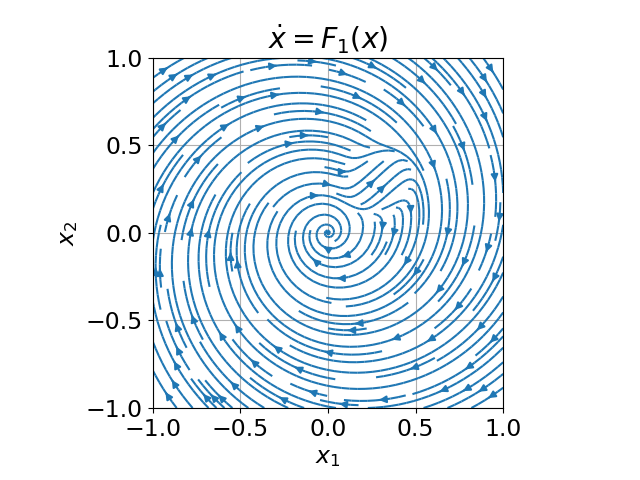
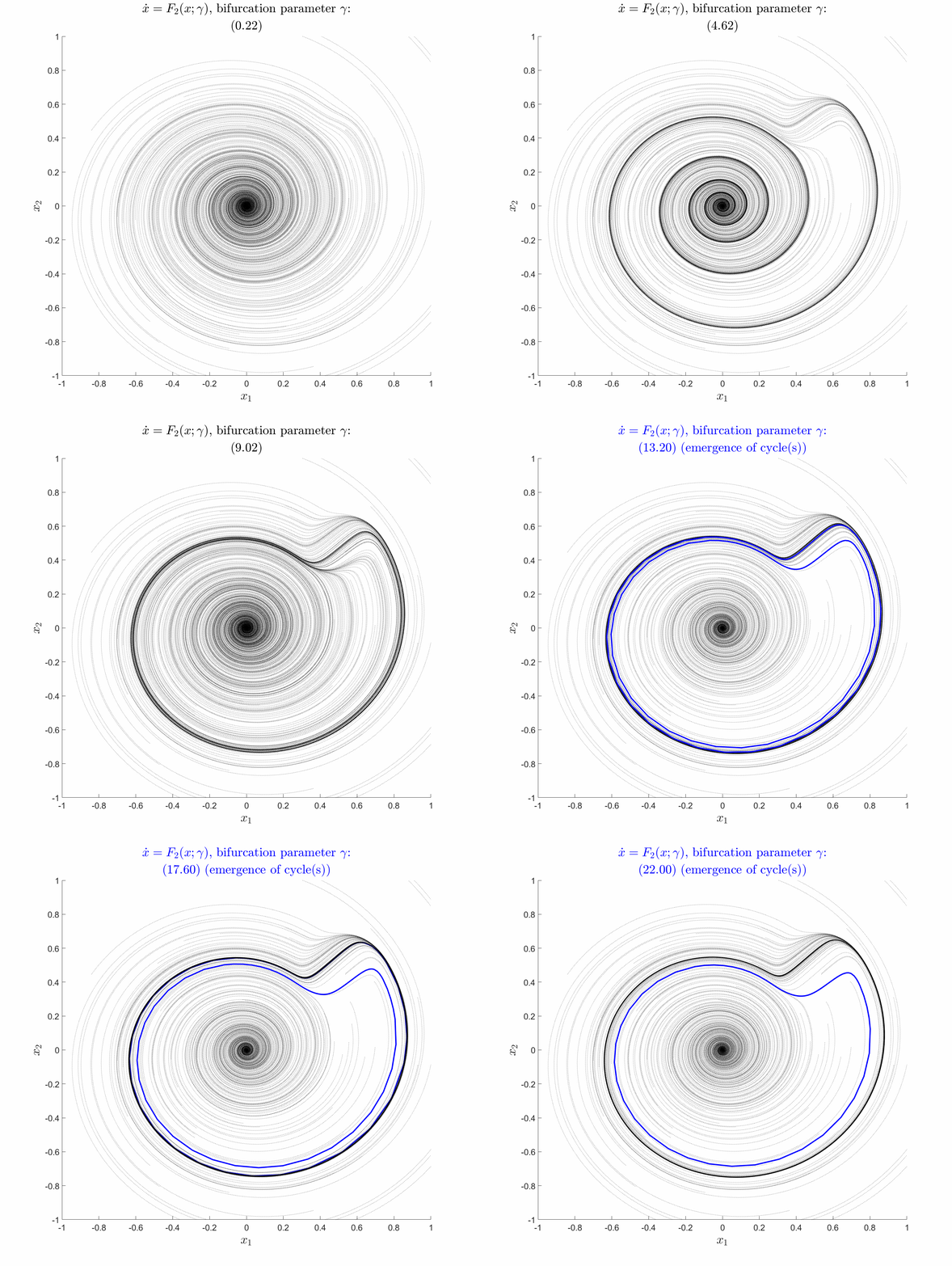
[J3] On continuation and convex Lyapunov functions
 Wouter Jongeneel and Roland Schwan
IEEE Transactions on Automatic Control (TAC), vol. 69, no. 10, pp. 6895 - 6906, 2024.
PDF, arXiv, link (IEEE), bibtex, Bifurcation GIF
[J2] Efficient Learning of a Linear Dynamical System with Stability Guarantees
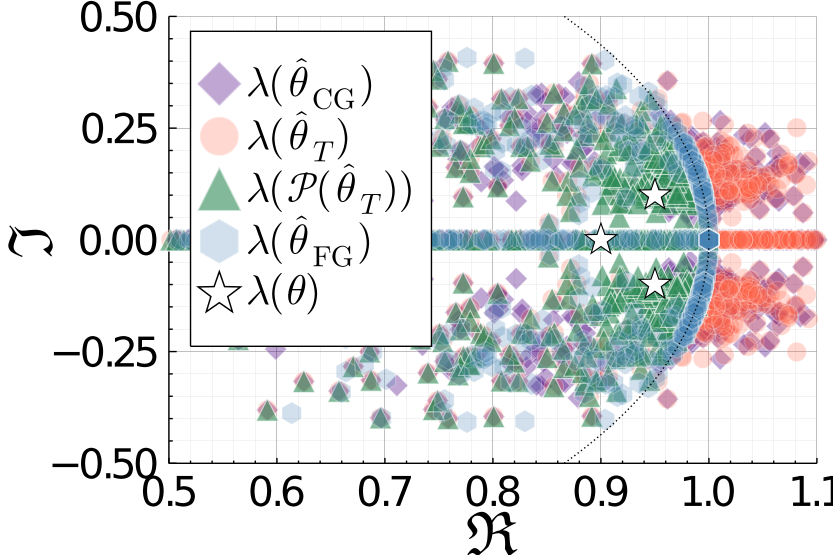 Wouter Jongeneel, Tobias Sutter and Daniel Kuhn
IEEE Transactions on Automatic Control (TAC), vol. 68, no. 5, pp. 2790 - 2804, 2023.
arXiv, link (IEEE), bibtex
As presented at the SIAM Conference on Optimization 2023 (slides). *Runner up IEEE CSS Swiss Chapter Young Author Best Journal Paper Award 2023, part of the TAC special issue on Learning and Control.
[J1] Topological Linear System Identification via Moderate Deviations Theory
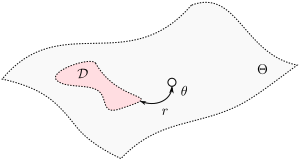 Wouter Jongeneel, Tobias Sutter and Daniel Kuhn
IEEE Control Systems Letters, vol. 6, pp. 307-312, 2022.
arXiv, link (IEEE), bibtex
Presented at the 2021 CDC.
Peer-reviewed conference proceedings.
[C9] The p53-Mdm2 interaction through the lens of antithethic feedback
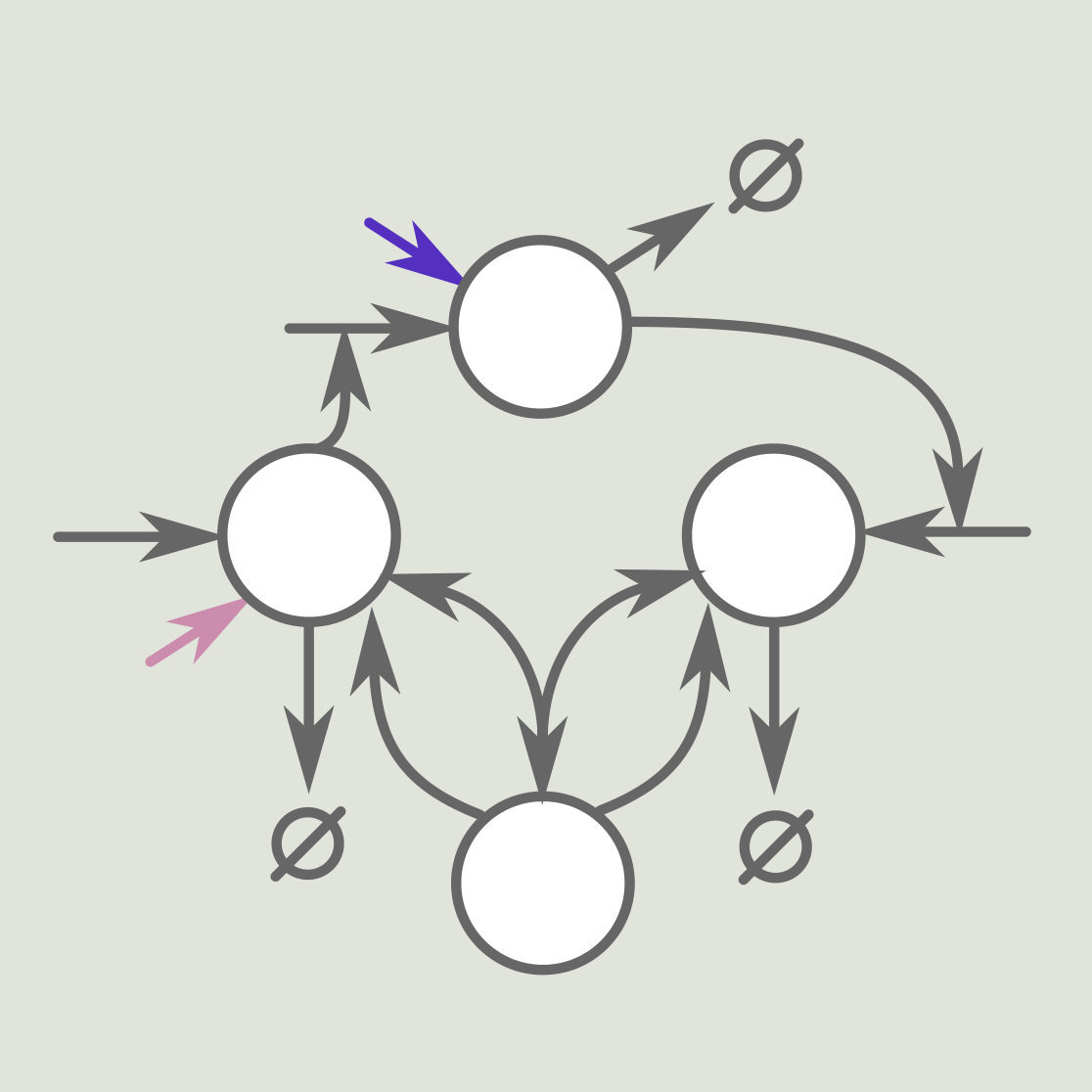 Wouter Jongeneel, Martina Scolamiero and Karl H. Johansson
IEEE Conference on Decision and Control (CDC), 2026 (accepted, to appear).
bioRxiv
The abstract reads as: ``We show that the p53-Mdm2 gene interaction can be understood as a form of antithetic feedback, but with mixed feedback loops. In particular, we show that this viewpoint sheds light on the emergence and robustness properties of p53's oscillatory behaviour, as observed experimentally.''
[C8] On capturing linear controllability through a Conley index
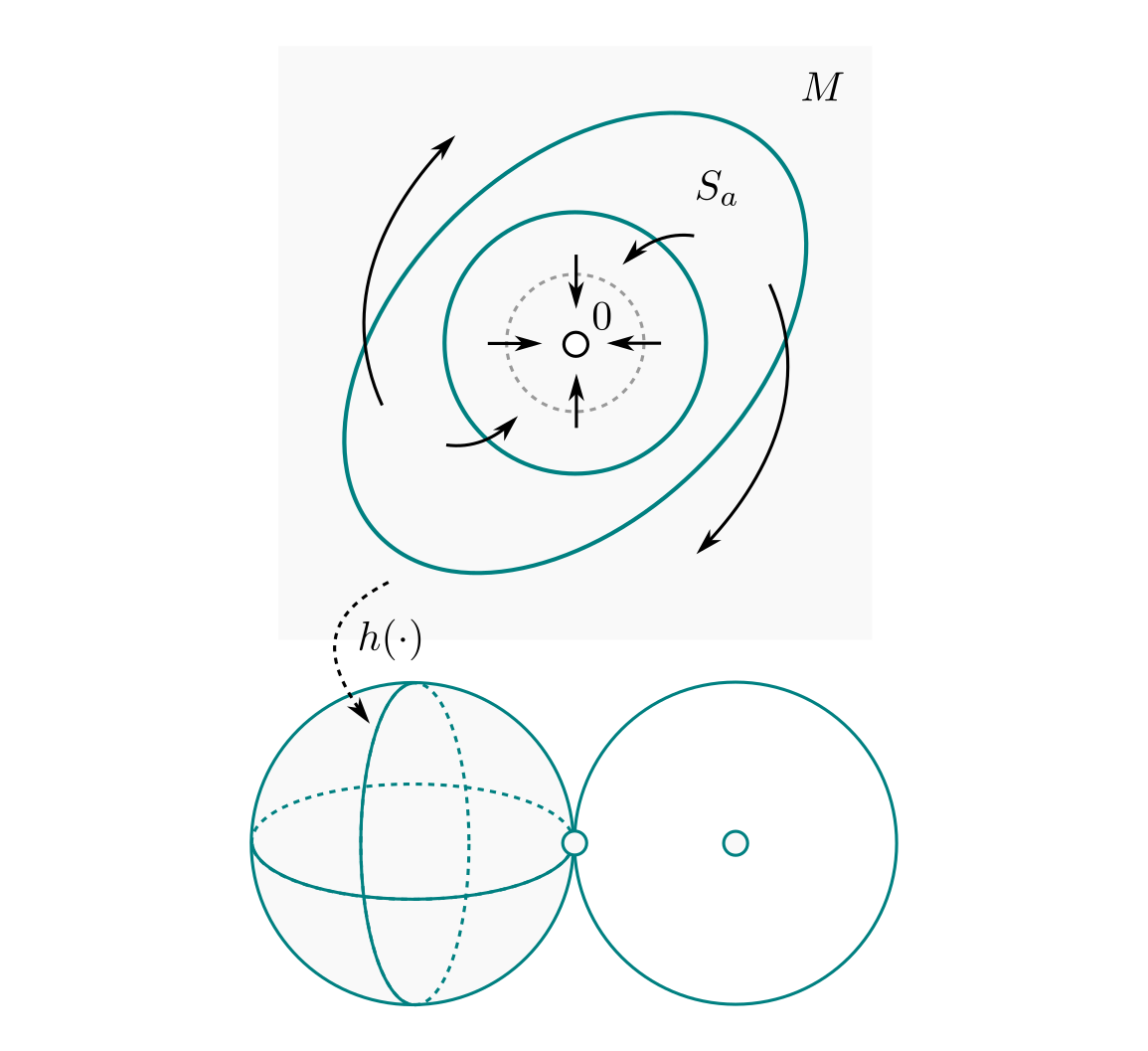 Wouter Jongeneel, Martina Scolamiero and Karl H. Johansson
IFAC World Congress 2026 (accepted, to appear).
PDF
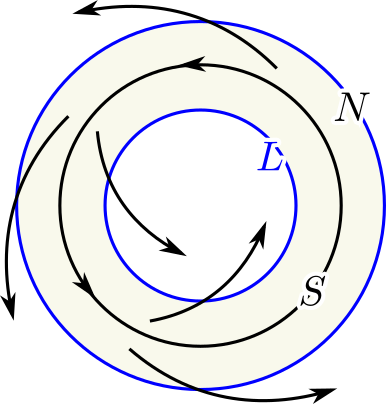
The abstract reads as: ``The Conley index of an isolated invariant set is a topological invariant that captures qualitative dynamical behaviour in a neighbourhood of this set. In this note we show that Conley indices can capture controllability of linear control systems, both in the continuous-time and discrete-time case. In particular, by means of an appropriately designed smooth feedback, a single Conlex index can capture linear controllability.''
[C7] Preorders of multiple Lyapunov functions can always be lifted to simulation relations
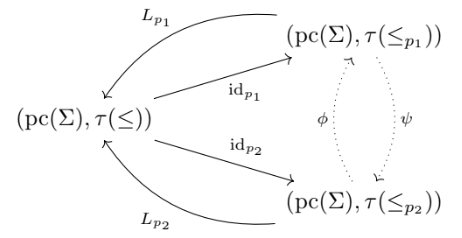 Wouter Jongeneel and Raphaël M. Jungers
IFAC World Congress, 2026 (accepted, to appear).
PDF
In this note we show that lifts, as we looked for in [C5], always exist.
[C6] A generalized global Hartman-Grobman theorem for asymptotically stable semiflows
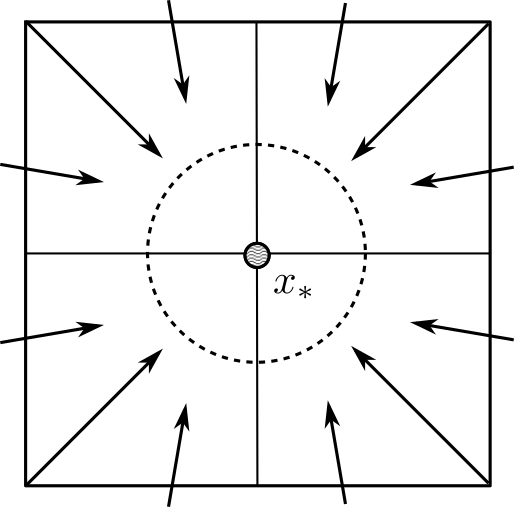 Wouter Jongeneel
European Control Conference (ECC), 2026 (accepted, to appear).
PDF, arXiv
The abstract reads as: ``Recently, Kvalheim and Sontag provided a generalized global Hartman-Grobman theorem for equilibria under asymptotically stable continuous vector fields. By leveraging topological properties of Lyapunov functions, their theorem works without assuming hyperbolicity [KS25]. We extend their theorem to a class of possibly discontinuous vector fields, in particular, to vector fields generating asymptotically stable semiflows.''
[C5] Ordering and refining path-complete Lyapunov functions through composition lifts
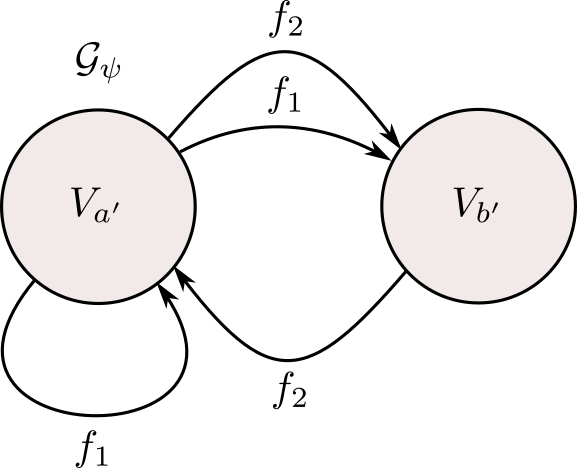 Wouter Jongeneel and Raphaël M. Jungers
IEEE Conference on Decision and Control (CDC), pp. 8304 - 8309, 2025.
arXiv, link (IEEE),
In this note, we close Conjecture 8.20, as posed in the wonderful thesis by Debauche.
[C4] A Large Deviations Perspective on Policy Gradient Algorithms
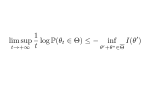 Wouter Jongeneel, Daniel Kuhn and Mengmeng Li (alphabetic)
Proceedings of the 6th Annual Learning for Dynamics & Control Conference (L4DC), PMLR vol. 242, pp. 916 - 928, 2024.
arXiv, link (PLMR), bibtex
[C3] On topological properties of compact attractors on Hausdorff spaces
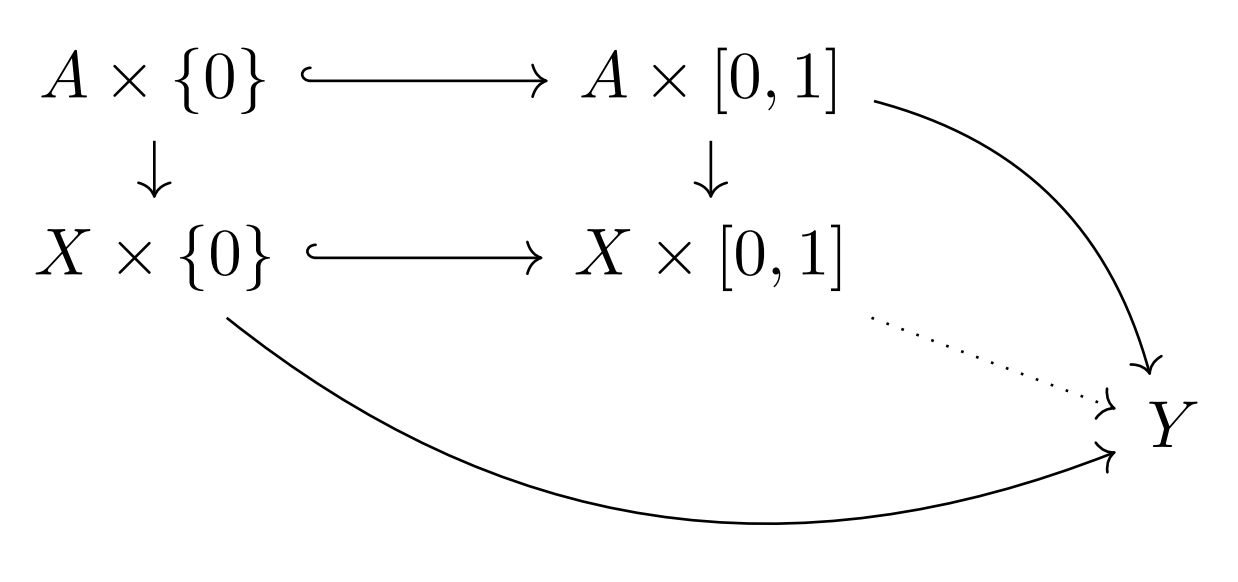 Wouter Jongeneel
European Control Conference (ECC), pp. 186 - 191, 2024.
PDF, arXiv, link (IEEE), bibtex
[C2] On Topological Equivalence in Linear Quadratic Optimal Control
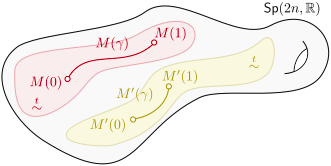 Wouter Jongeneel and Daniel Kuhn
European Control Conference (ECC), pp. 2002 - 2007, 2021.
PDF, link (IEEE), bibtex
[C1] Robust Linear Quadratic Regulator: Exact Tractable Reformulation
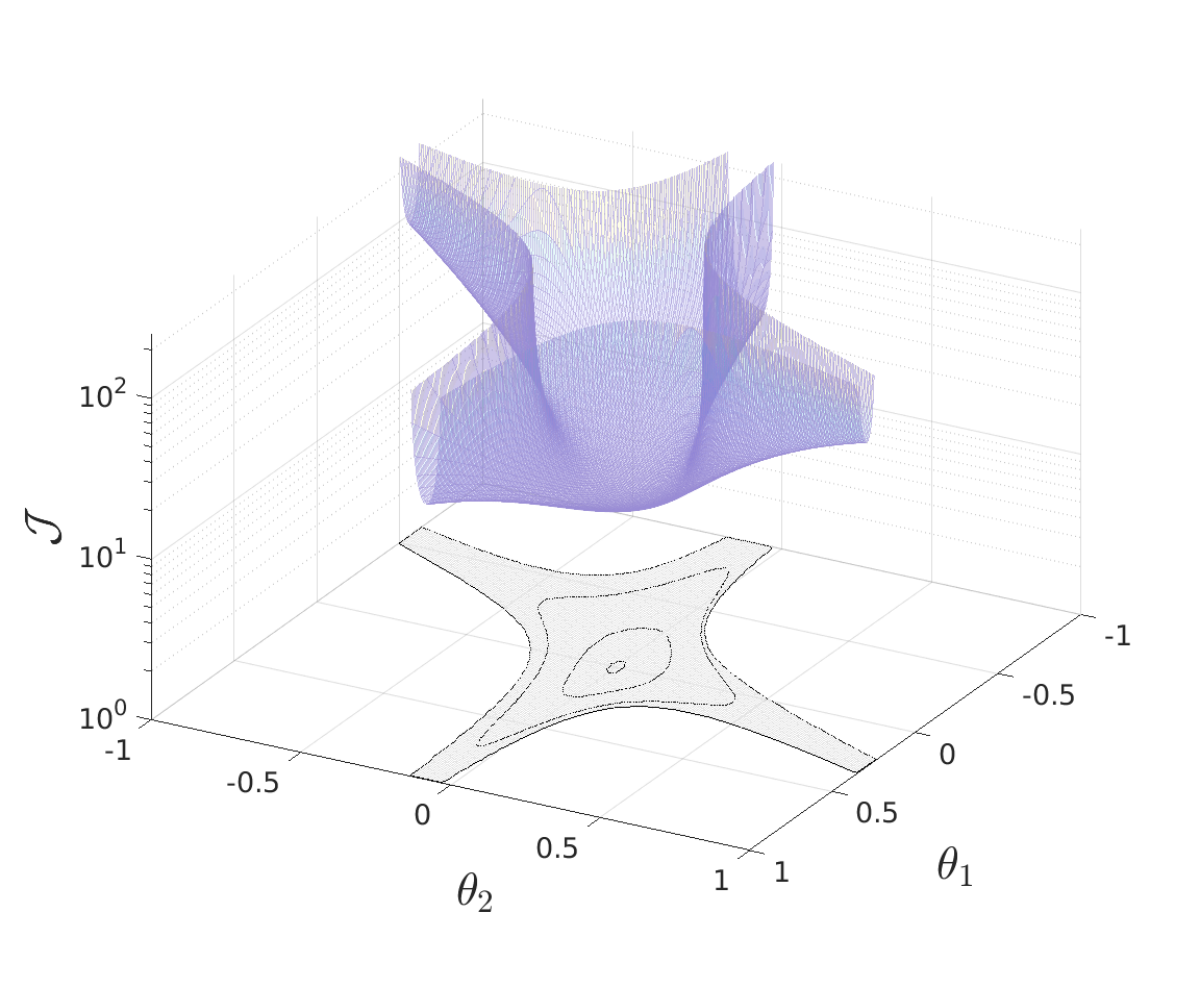 Wouter Jongeneel, Tyler Summers and Peyman Mohajerin Esfahani
IEEE Conference on Decision and Control (CDC), pp. 6742 - 6747, 2019.
PDF, link (IEEE), bibtex
Preprints (under review, under construction, ...).
Extended abstracts.
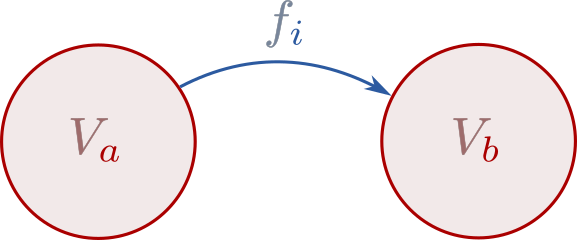
[E2] On Preorders of Path-complete Lyapunov Functions Through Lifts
 Wouter Jongeneel and Raphaël M. Jungers
Benelux Meeting on Systems and Control, p. 50, 2025.
link (book of abstracts)
[E1] On the Conley Index and Controllability
 Wouter Jongeneel
Benelux Meeting on Systems and Control, p. 219, 2025.
link (book of abstracts)
Thesis.
[PhD] Stability: a search for structure
 Wouter Jongeneel
PhD Thesis, Electrical Engineering, EPFL Jun. 2024, adviser Prof. Daniel Kuhn.
PDF, link (EPFL)
[MSc] Controlling the Unknown: A Game Theoretic Perspective
 Wouter Jongeneel
MSc Thesis, Systems & Control, TU Delft Nov. 2019, adviser Prof. Peyman Mohajerin Esfahani.
link (TU Delft)
Other notes.
[n1] Stability via reverse I-projections, a symplectic perspective on the computation
Wouter Jongeneel
Technical note, 2022.
PDF